Best time to visit
June and September offer the best mix of sunshine, pleasant temperatures and smaller crowds.
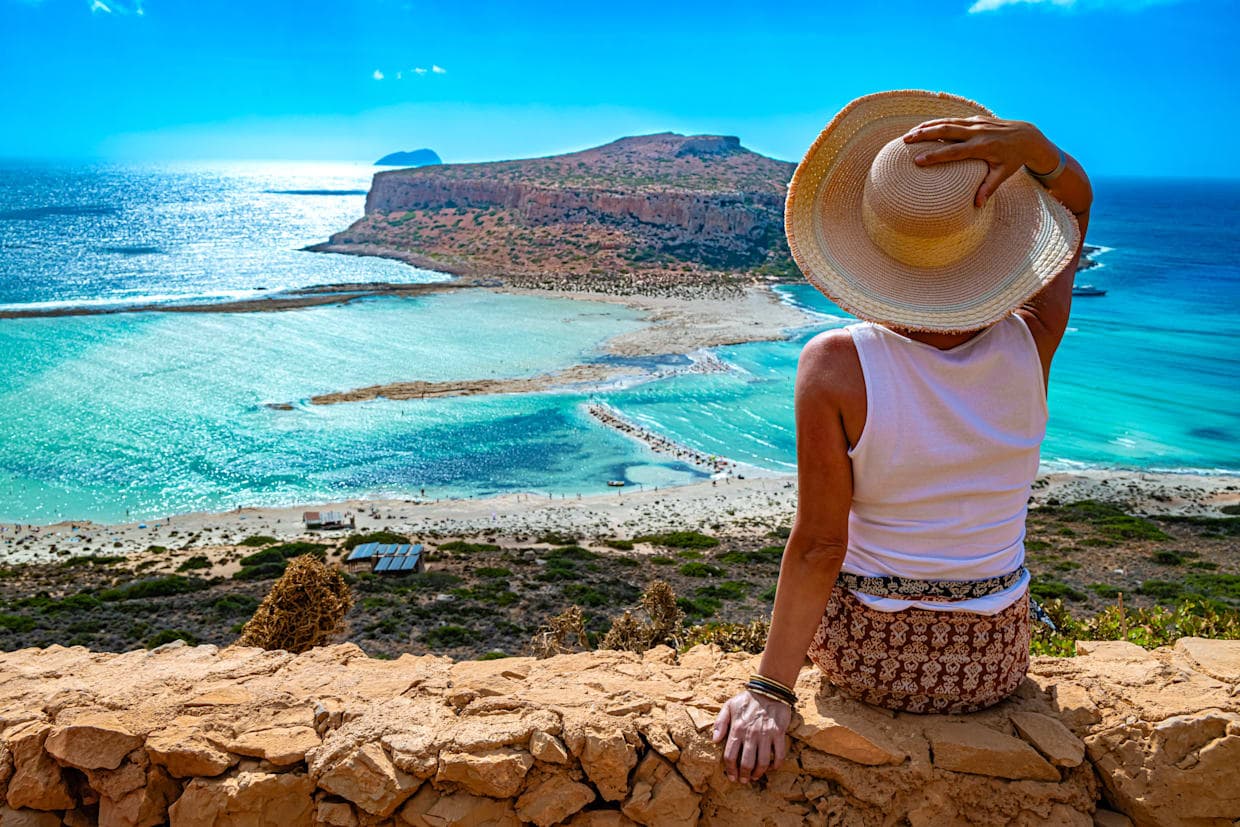
Six thousand islands, three seas and you in the middle of it all. Between the Aegean, the Ionian and the Libyan Sea, each island carries its own rhythm, its own beaches and its own light. On the mainland, Athens stacks 2,500 years onto a single rock, the Acropolis at the top, and the food everywhere tastes of olive oil, oregano and time. The temples have stood since antiquity, the tavernas for three generations – and you sit in both with equal ease. Greece combines island hopping, city breaks and road trips in a single journey. You arrive with a plan, book one island and change everything after the first ferry.
June and September offer the best mix of sunshine, pleasant temperatures and smaller crowds.
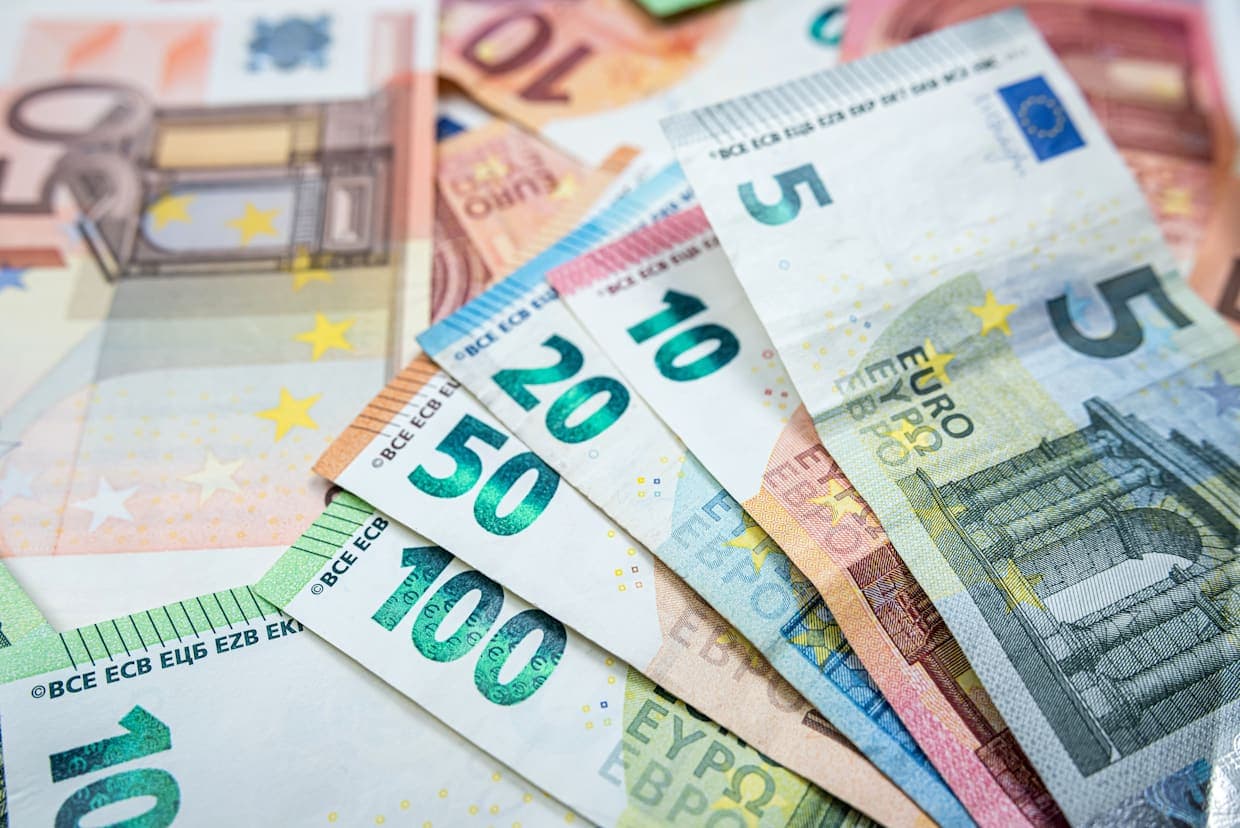
Greece is part of the eurozone, so the currency is the euro (EUR).
Direct flights to Athens take around 3 hours – flights to the islands take a little longer.

The official language is Modern Greek. In tourist areas, you'll get by easily with English.
Greece is full of highlights, but these must-sees belong on your bucket list.
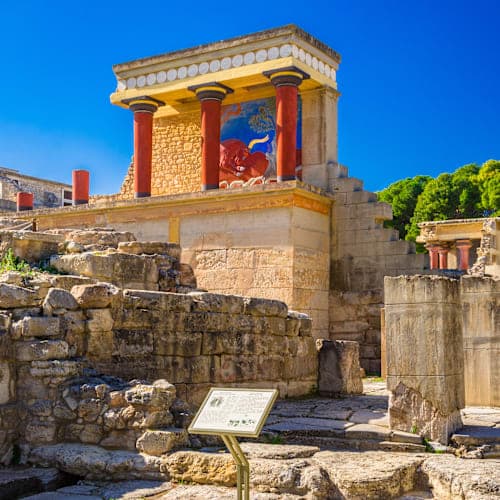
Crete smells of thyme and sea salt. At Elafonisi Beach you walk across pink sand – crushed coral beneath your feet. In the evenings, fishing boats bob in Chania's Venetian harbour and Ottoman minarets rise above the alleyways of Rethymno. The scent of herbs draws you into Heraklion's market hall, and in Knossos the palace walls have stood for 3,500 years. The Samaria Gorge runs for 16 kilometres through sheer rock, just 4 metres wide at its narrowest point. Further along the coast, you sip coffee in Agios Nikolaos beside a freshwater lake, with Spinalonga rising from the sea just offshore – a fortress island that makes no attempt to hide its history.
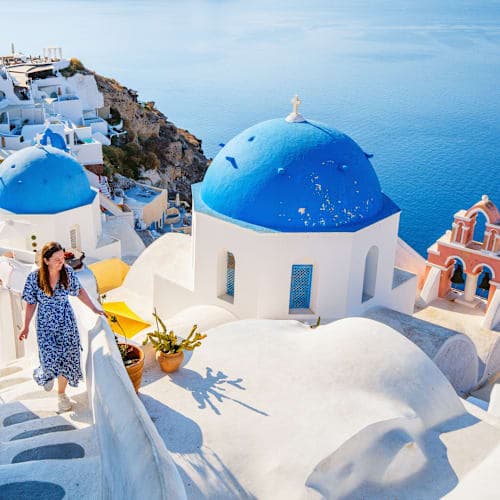
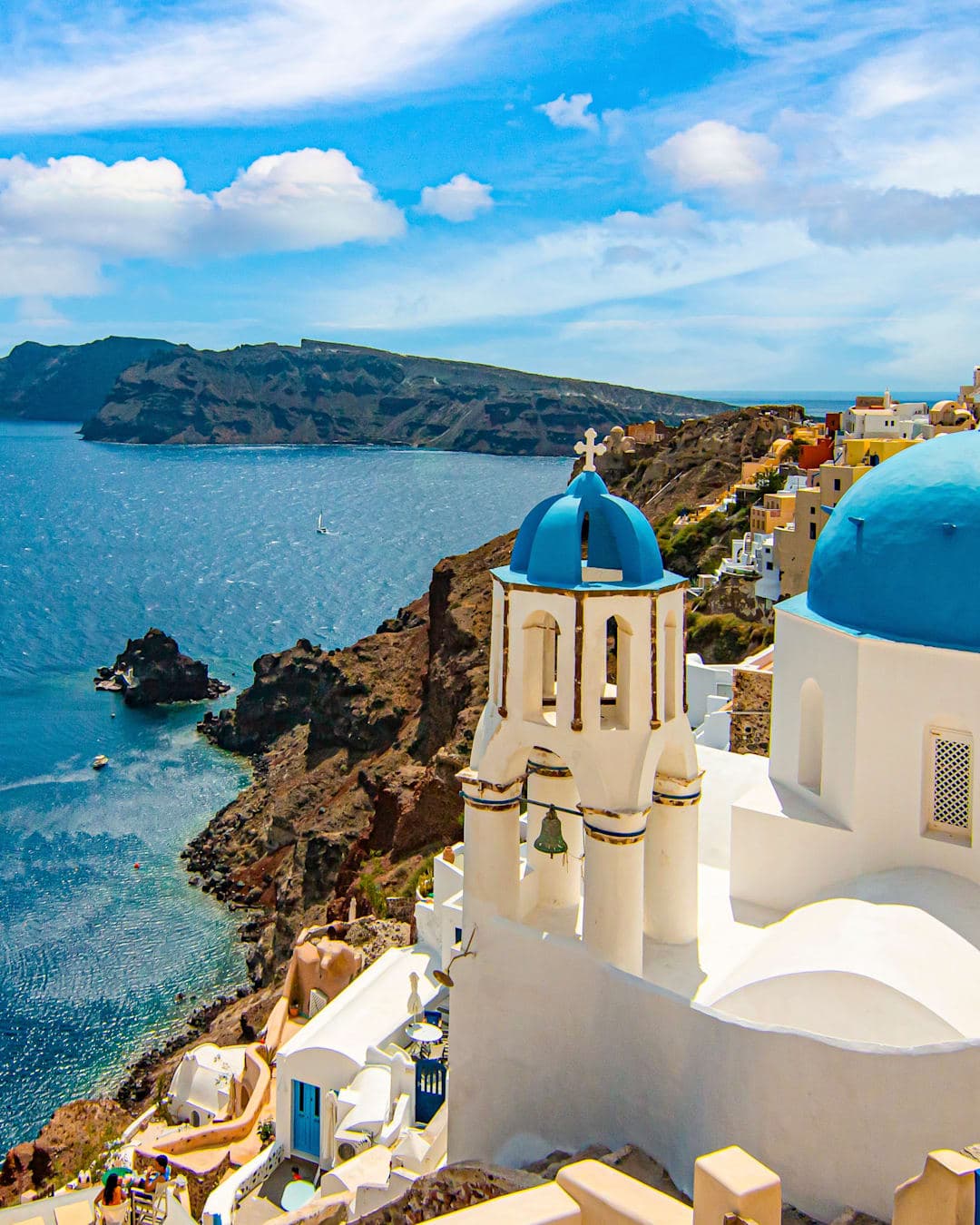
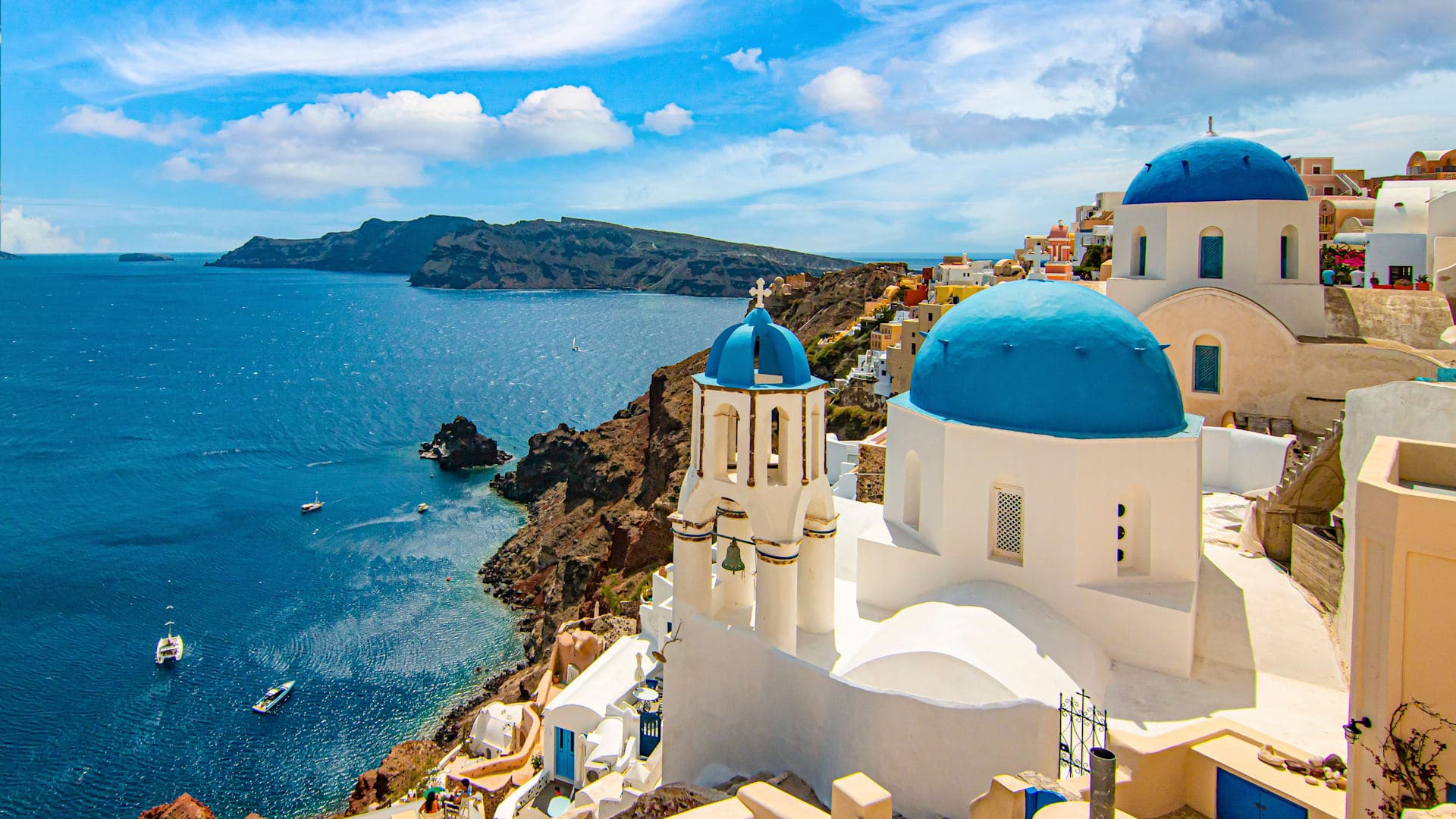
On a Cyclades island-hopping trip, you count islands instead of days. In Oia you stand at the rim of Santorini's crater – a volcano that sank 3,600 years ago beneath you, open sea ahead. Every house clings white to the rock, blue domes glowing above black lava ground. A ferry ride further, the Meltemi whistles through Mykonos's white alleyways and in the evenings music from the bars carries all the way down to the harbour. Naxos welcomes you with dune sand underfoot, fresh fish comes straight to the waterside on Paros and on Milos the sea has carved white arches from volcanic rock. The ferry sounds its horn, the next island already in sight.
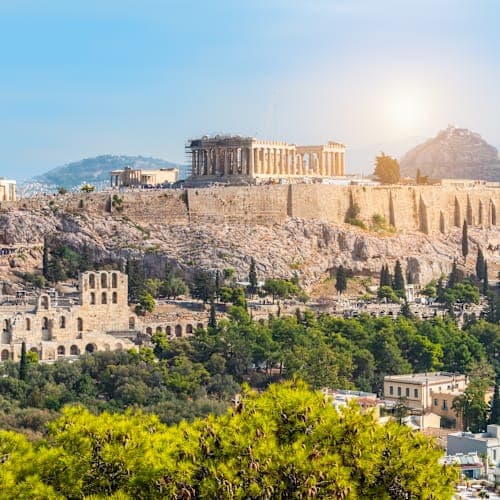
In Athens you spot the Acropolis before you go looking for it – it stands above everything, with no building permitted to surpass it. Up at the Parthenon, the marble burns in the sun, and below it white houses spread all the way to the port of Piraeus. Plaka's alleyways smell of souvlaki and oregano, while Monastiraki crowds a flea market, street art and street musicians onto a single square. In the evenings, lights glow on the rooftop terraces and the Acropolis glows back. At Cape Sounion, an hour to the south, the Temple of Poseidon has stood directly above the Aegean for 2,500 years – the sun sinking between its columns into the sea.
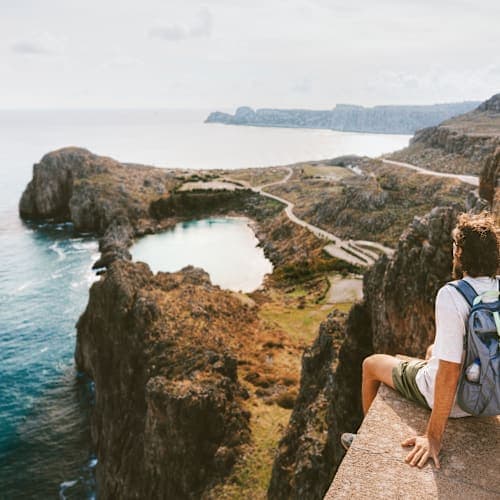
Rhodes counts 300 sunny days a year and makes the most of every one. The old town draws you through medieval alleyways, past the walls and metre-thick gates built by the Knights of St John. Ottoman mosques stand behind them and the cobblestones have been worn smooth by centuries of footsteps. In Mandraki harbour, the Colossus of Rhodes once stood – over 30 metres of bronze, one of the seven wonders of the ancient world. Today, fishing boats moor there instead. Away from the walls, you'll find coves where barely anyone swims but you and the wind. Lindos climbs as a white village up the rock face, ancient columns rising above the sea at the top and a bay so still at the bottom that you can count every boat on the water.
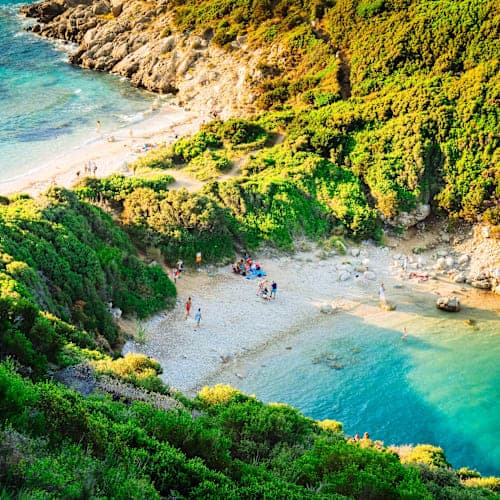
Corfu carries four million olive trees on a single island. Driving under their canopy, you pass coves where waves break against pale sandstone cliffs. In the old town, Venetian fortresses and British arcades line the streets and the alleyways smell of kumquat and freshly baked bread. Zakynthos strikes a different image: at Navagio Beach you stand before a rusting shipwreck between sheer white cliffs, the water so blue that every photo looks unreal. Further south, sea turtles swim alongside you – unhurried, as though that's simply how things are.